

Are you curious about the workings of casino RNGs?
Do you wonder how the casino RNG ensures fairness in games like video poker and keno? Let’s look at how random number generators are developed, implemented, and tested for fairness.
Ever wondered how online casino games like video poker and keno deal cards or pick numbers without cheating? The answer lies in a casino RNG (random number generator)—the tech that keeps your favorite games fair and unpredictable. At TheMysticGambler.com, we’re diving into the world of casino RNGs to explain how they’re developed, implemented, and tested for accuracy, with a special focus on video poker RNGs and video keno fairness. Whether you’re a Jacks or Better fan or a keno enthusiast, this article will show you why you can trust the games you love. Let’s get started!
What is a Casino RNG?
A casino RNG is like the digital equivalent of rolling dice or shuffling a deck of cards. It’s a computer program that creates unpredictable numbers, ensuring every card dealt in video poker or number drawn in keno is completely random. In video poker, the RNG mimics shuffling a 52-card deck, ensuring every hand (like in Jacks or Better or Deuces Wild) is as fair as playing at a physical table. In video keno, the RNG picks numbers (usually 20 out of 80) in a way that’s just like drawing balls from a lottery machine. Think of a casino RNG as a super-fast, unbiased casino dealer who never gets tired. But how do casinos make sure these RNGs are truly random? Let’s explore how they’re built.
How Are Casino RNGs Developed for Games?
Creating a reliable casino RNG for games like video poker and keno is no small feat. Game developers, like Microgaming or NetEnt, use complex math to ensure randomness. Here’s the process in simple terms: First, they choose an algorithm, typically a *pseudo-random number generator (PRNG) like the Mersenne Twister or XORShift, which generates long sequences of numbers that seem random but are based on a starting point called a “seed.” This seed is often tied to something unpredictable, like the exact millisecond a game starts.
For video poker, the RNG is programmed to map numbers to a 52-card deck—for example, each card (like the Ace of Spades) gets assigned a number. For keno, it selects 20 numbers from a pool of 80. To prevent tampering and ensure that players or casinos cannot manipulate the casino RNG, developers also implement security measures. So, how are video poker machines programmed? They rely on these algorithms to shuffle cards digitally, making every deal as random as a live game. The same goes for keno, where the RNG ensures no number is favored over another. 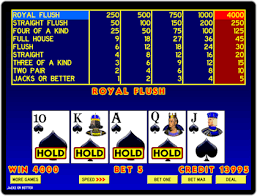
Implementing Casino RNGs in Video Poker and Keno
Once the casino RNG is developed, it’s built into the game software. In video poker, when you hit “Deal” in a game like Jacks or Better, the RNG instantly picks a number that corresponds to a card from a virtual 52-card deck. For example, if the RNG spits out “42,” that might map to the Queen of Hearts. This happens for each card in your hand, ensuring a fair deal every time. The process is so fast you don’t even notice! In video keno, the RNG selects 20 numbers from 80 in a split second. Each number has an equal chance of being picked, just like a physical keno machine. Game providers work with casinos to integrate these RNGs into their platforms, ensuring seamless gameplay. But how do we know the casino RNG isn’t rigged? That’s where testing comes in.
Testing Casino RNGs for Accuracy and Fairness
To answer the question, “Are video keno machines fair?” or “How is video poker RNG tested?” let’s look at the rigorous testing process. Casinos don’t just trust the RNG—they have it checked by independent experts to ensure fairness. Casinos hire third-party testing agencies like eCOGRA, iTech Labs, and Gaming Laboratories International (GLI) to test their RNGs. These agencies are like the referees of the casino world, ensuring everything is above board. Testers run millions of simulated hands or keno draws to check for patterns, using tools like the Diehard tests or NIST standards to confirm the RNG produces truly random results.
For example, in video poker, they verify that all 52 cards appear with equal probability over time. In keno, they ensure each number (1–80) has an equal chance of being drawn. If the casino RNG passes, it gets a seal of approval from the testing agency. Reputable casinos display these certifications on their websites, so look for them before playing! This testing process is ongoing, with RNGs regularly audited to maintain casino RNG fairness. Regulatory bodies, like the Malta Gaming Authority or UK Gambling Commission, also require these tests to license casinos.
Why Players Can Trust Casino RNGs
If you’ve ever wondered, “Are video poker machines rigged?” or “How are casino games tested for fairness?”, here’s the good news: casino RNGs are designed to be fair, and multiple safeguards ensure they stay that way. The RNG is locked into the game’s software, so even the casino can’t tweak it to favor the house. Regulatory oversight enforces strict rules, requiring regular RNG audits. Certified casinos often publish payout percentages (e.g., 99.54% for Jacks or Better), which are verified by testing agencies. A common myth is that casino RNGs “favor the casino” or “go cold” after a big win. In reality, every hand or draw is independent, with the same odds every time. The RNG doesn’t “remember” your last win or loss—it’s just doing its job, spitting out random numbers.
Conclusion
Casino RNGs are the unsung heroes of online casino games, ensuring video poker RNGs and video keno fairness keep your gaming experience honest and exciting. From their development using complex algorithms to their implementation in games like Jacks or Better and keno, casino RNGs are rigorously tested by experts to guarantee fairness. At TheMysticGambler.com, we believe in helping you play smarter—so stick to certified casinos, check for eCOGRA or GLI seals, and enjoy your favorite games with confidence! Want to learn more? Check out our guides on