
Part 2: The Inside Game – Players, Ploys, and the Perks of Poisoned Pots
Mathew Bowyer’s money laundering operation wasn’t a lone wolf’s gamble; it was a full house of hustlers, wired from SoCal suburbs to Vegas salons, where illegal bets met offshore servers and casino chips. Picture this: A 49-year-old dad of five, hooked since teen video-game wagers, scaling up to a five-year syndicate that handled $142 million in wins and $182 million in losses for clients like Mizuhara alone.
Bowyer, the affable kingpin with a poker face forged in his parents’ garage, ran the show from Orange and LA counties, spilling into Clark County with agents embedded like spies in the suites.
The Players: Bowyer’s roster read like a casting call for a crime drama. At the top: Ippei Mizuhara, the Ohtani enabler who wired $500,000 weekly from his boss’s account, turning baseball’s brightest star into unwitting collateral.
Then, unnamed pro athletes – a current SoCal baseballer and a ex-minors grinder – betting big on their own games’ fringes.
Casino hosts moonlighted as sub-agents in the money laundering scheme, pocketing commissions from bettors’ losses, blurring the line between hospitality and hustle.
Key fixer Wayne Nix laundered through MGM ties, while Scott Sibella – ex-Resorts World president– turned a blind eye to the cash flood.
And possible connection to The Mob persist. Whispers link Bowyer’s orbit to old-school syndicates via Sothern California’s underground rings, where sports books grease palms for drug runners and loan sharks – though feds stopped short of direct indictments, the stench of organized crime clung like stale cigar smoke.
The inferred trafficking of illegal drugs looms in the ecosystem when money laundering is involved: Illegal books thrive on narco-dollars, with Bowyer’s high-volume clients (700 strong) funneling cartel cash under the guise of parlays.
How He Did It: Bowyer’s machine hummed on Costa Rican websites and call centers, tracking bets in real-time while he dealt from “Casino A” tables – paying agents in chips to dodge traces.
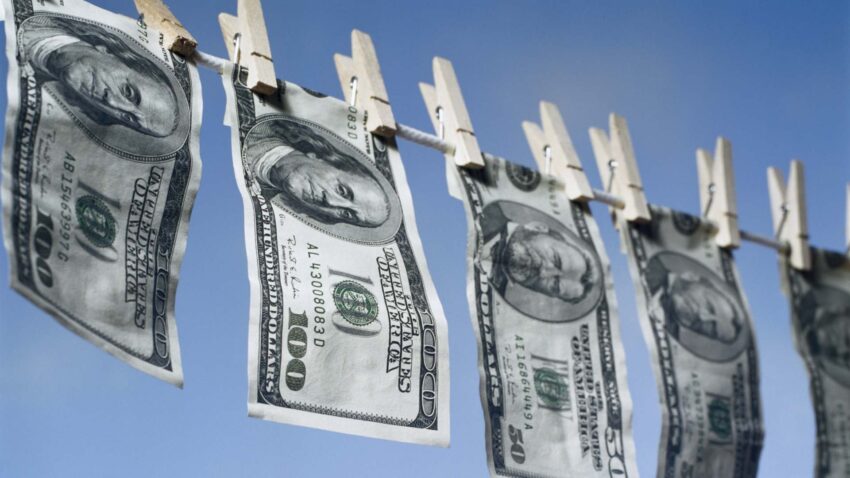
Uncovering the path of the massive dollars in money laundering schemes can be interesting. Here’s basically how this one worked: Clients handed over cash (often in duffel bags – think “hockey bags” stuffed with $100 bills, bulky enough to pass airport pat-downs but screaming “dirty” to insiders). Bowyer offered two paths to “clean” it: Option 1 – Wire it offshore to his sites, then reclaim “winnings” as legit funds, minus a 5-10% vig (industry standard for books, but his cut fattened on volume).
Option 2 – The Vegas special: Deposit into proxies’ accounts or straight to casino cages, convert to chips, play (or pretend to), and cash out checks – turning black money white with a house edge.
Losses? Baked in: Bettors wrote off deficits as “business expenses” on taxes – a deduction hack where gambling losses offset reported income, shielding drug profits from Uncle Sam.
Bowyer reported just $607,897 in 2022 income while laundering millions – his false returns? A $1.6 million slap.
The Advantages in an Illegal Cash Biz: For operators like Bowyer, laundering was the golden ticket. Underground books drown in untraceable bills – 90% cash from crimes like dope deals or mob rackets.
Legit casinos? A one-stop shop: Buy chips with tainted stacks, wager minimally (or lose on purpose for “authenticity”), redeem for checks or wires – poof, clean capital at 7-15% “cost” (vig plus minimal play losses), far cheaper than mules or mixers.
Percentages? Bowyer’s vig hovered 8-12% on bets, but laundering fees ran 5-10% – a steal for clients dodging IRS audits or cartel heat. Those hokey hockey bags? Symbolic of the sloppiness: Bulging with $500K+, they’d hit casino cages in bursts, triggering CTRs (Currency Transaction Reports) over $10K – but lax AML let them slide.
Bowyer lost $7.9 million at one casino alone, “laundering” via deliberate defeats – a win-win until the feds dealt the river card.
Bowyer’s web ensnared the mighty, but his real genius? Weaponizing Vegas’s greed against its guardians. Yet as the cuffs clicked, the question lingered: Why do the Strip’s sentinels sleep so soundly?(Next: Part 3 – The Big Blind: Nevada’s Dirty Secret and the Law’s Selective Shuffle)Part 3: The Big Blind – Nevada’s Laundering Lifeline and the Law’s Winking OversightNevada’s economy? A $70 billion behemoth, with casinos as its beating heart – pumping 40% of the state’s tax base through slots, tables, and sports books.
But beneath the glamour lurks a dirty vein: Money laundering, estimated at 2-5% of global GDP ($800B-$2T annually), finds fertile ground in the Silver State, where cash is king and oversight is optional.
Bowyer’s saga isn’t an outlier; it’s exhibit A in a casino culture where illicit funds – from narco trades to cyber scams – get bleached in blackjack pits, propping up an industry that turns a blind eye for the bottom line.The Economic Engine: Laundering isn’t a bug; it’s a feature. Vegas thrives on anonymity – $1M+ in daily cash flow per major Strip resort – making it a magnet for “placement” (dumping dirty dough into chips), “layering” (betting to obscure origins), and “integration” (cashing out clean).
It’s woven into the casino biz: High-rollers like Bowyer lose millions (he dropped $7M+), but houses win the vig – and the laundered cash circulates, boosting occupancy, conventions, and tourism.
Economists peg illicit flows at 10-15% of Nevada gaming revenue, a silent subsidy that funds everything from road repairs to retiree pensions.
Tribal casinos? Lesser but significant: With 200+ operations nationwide (many in Cali-Nevada borderlands), they launder via bingo halls and slots, exploiting looser federal ties under the Indian Gaming Regulatory Act.
Tribes self-regulate, but FinCEN mandates AML for big earners – yet enforcement lags, with underreporting rampant in remote spots.
Bowyer’s Pechanga links hint at the bleed: Tribal pots as a backdoor for SoCal syndicates.
The Law Looks Away: Nevada’s “gold standard” rings hollow post-Bowyer. Regulators tout BSA compliance – SARs (Suspicious Activity Reports) for $3K+ red flags, CTRs for $10K cash – but fines like Caesars’ $7.8M are slaps on the wrist, not shutdowns.
Why the wink? Selective enforcement: Feds and NGCB prioritize “reputation hits” (e.g., Ohtani’s glare), but everyday laundering – structuring deposits, proxy plays – slips through.
Casinos lobby hard: AML hikes costs (Caesars doubled its unit post-fine), and busting every bag man kills the golden goose.
Inherited issues (Caesars bought Bowyer’s mess in 2020) get leniency; execs like Sibella skate with probation.
Tribal sovereignty adds layers – BIA oversight is toothless, letting “willful disregard” fester, as in the $1M Sparks Nugget fine.
Under law enforcement’s nose? Absolutely. Bowyer gambled openly at Resorts World, recruiting amid the slots, yet AML committees ghosted red flags.
Reasons for selectivity: Economic dependence (gaming = 500K jobs), jurisdictional turf wars (feds vs. states vs. tribes), and the “victimless” myth – until it’s Ohtani’s wallet.
Post-Bowyer, vows of reform abound: Enhanced training, AI monitoring. But as Hendrick of the Gaming Board warns, “If they lose, they’ve laundered money.”
Vegas’s secret? The house always cleans up – on its terms.
This exposé isn’t a cautionary tale; it’s a wake-up bet. Will Nevada ante up real reform, or keep shuffling the deck? Hit the tables wisely, Mystic Gamblers – the odds favor the shadows.
Read Part One, Mathew Boyer busted with Caesar’s Entertainment for Money Laundering Scheme
