
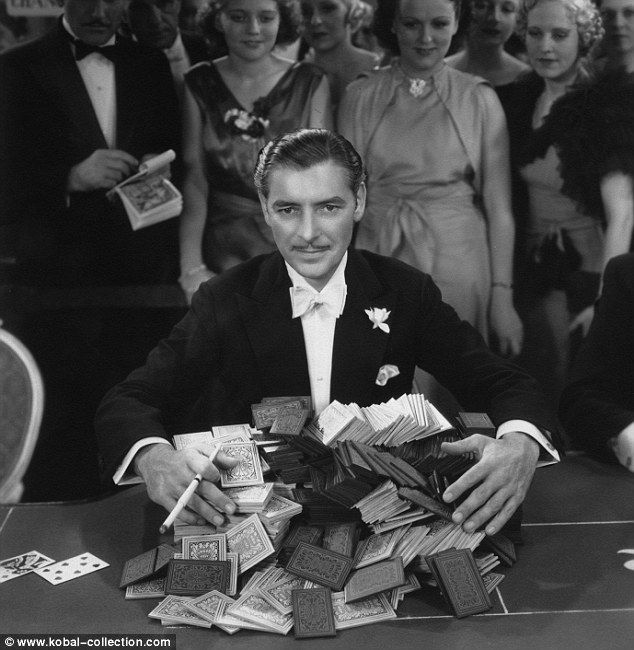

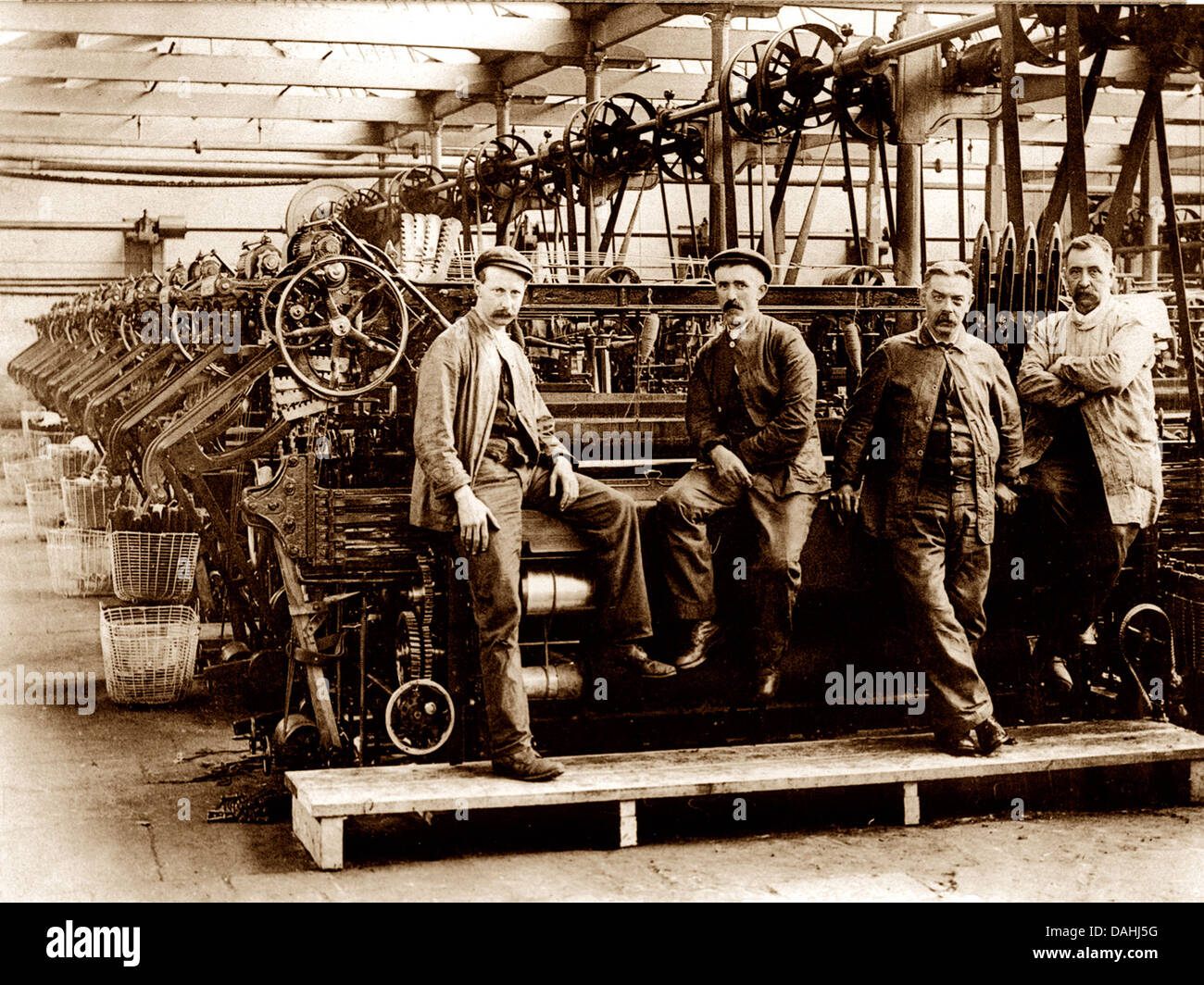
In the smoky, clattering mills of Victorian Yorkshire, where the relentless thud of machinery shaped the lives of hardworking men, Joseph Hobson Jagger, soon to be a Roulette Player legend, spent his days wrestling with spinning wheels and mechanical imperfections. Born in 1830 in the quiet village of Shelf, near Halifax, Jagger was no dreamer of fortunes—he was a practical engineer, a Methodist family man who knew that no machine, no matter how finely crafted, could ever be perfectly balanced. Tiny flaws, wear from constant use, a slight tilt… these could make all the difference.
By 1880, life had dealt Jagger a harsh hand. His textile business had collapsed, leaving him on the brink of ruin and debtors’ prison, with a wife and young children depending on him. Desperate but determined, he borrowed money from family and friends—not for escape, but for one audacious gamble. Whispers of the glamorous Casino de Monte-Carlo in Monaco had reached even the industrial North of England: a playground for Europe’s elite, where fortunes were won and lost on the spin of a wheel.
Jagger’s insight was simple yet revolutionary. If the massive cotton spindles in his mill could develop biases over time, why not the roulette wheels in a casino? No wheel could be truly random forever. Armed with this theory, he recruited six clerks—trusted men from his mill—to join him on the French Riviera. They arrived at the opulent Beaux-Arts Casino, its grand halls echoing with the murmurs of aristocrats and the click of ivory balls.

For days, perhaps weeks, Jagger and his team observed silently. No bets placed—just meticulous notes. Each clerk shadowed one of the casino’s six roulette wheels, recording thousands of spins. Back in their lodgings, Jagger pored over the data like an engineer diagnosing a faulty machine.
Then, the breakthrough: one wheel showed a clear bias. Nine numbers—7, 8, 9, 17, 18, 19, 22, 28, and 29—appeared far more often than chance allowed. A manufacturing flaw or years of wear had tilted the odds ever so slightly in favor of those pockets.


The bearded Yorkshireman, dressed in his finest borrowed suit, approached the table. Calmly, methodically, he placed heavy bets on those nine numbers and the sectors around them. The ball spun, clattered… and landed in his favor again and again.
Word spread like wildfire through the gilded halls. Who was this unassuming Englishman winning so consistently? Aristocrats crowded around, some copying his bets in hopes of sharing the luck. Jagger “broke the bank” multiple times—depleting the table’s reserves until a black cloth was draped over it in ceremonial defeat, signaling fresh funds were needed.
In just a few intense days, Jagger amassed the equivalent of millions today—around £80,000 in 1880s money, or over £7.5 million in modern terms. The casino panicked. Managers shuffled wheels nightly, even introducing movable metal frets (dividers) to scramble any bias—a change that influenced roulette design forever.
But Jagger was one step ahead. He’d secretly marked his favored wheel with a subtle scratch. When it vanished, he hunted it down among the tables and resumed his assault. Losses came, but his profits soared.
Sensing the casino’s desperation—and knowing when to quit while ahead—Jagger cashed out and returned home a hero in his own quiet way. He quit the mills, invested wisely in property, and lived comfortably until his death in 1892.
Joseph Jagger wasn’t chasing glamour or thrill. He was a working-class genius who turned mechanical know-how into a legendary edge, proving that even the “unbeatable” house could be outsmarted with patience, data, and a keen eye for imperfection.
His tale inspired generations of advantage players, from Gonzalo García-Pelayo in the 1990s to modern wheel hunters. In an era when casinos boast perfect randomness, Jagger’s story reminds us: the wheel may spin, but sometimes, the smartest player wins.
For themysticgambler.com – A timeless tale of mystic advantage play.
