
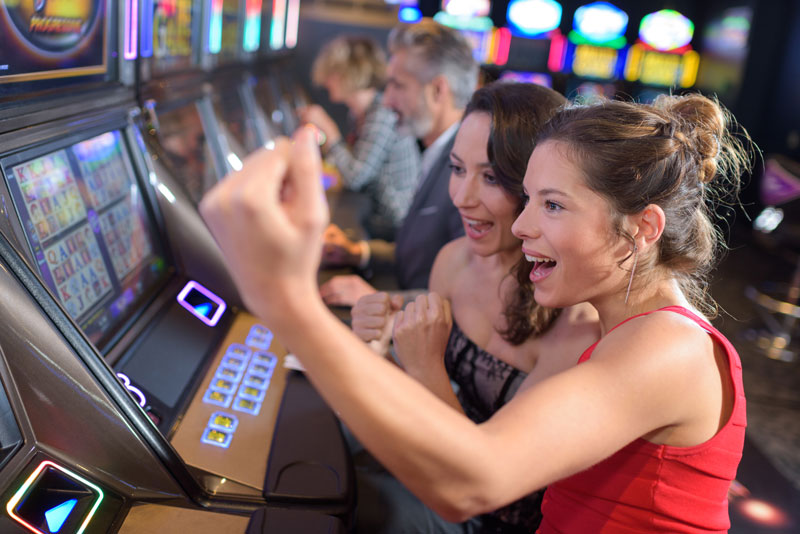
Picture 1988 Las Vegas: neon blazing, quarters clinking, and a quiet war raging inside the slot machines themselves. One manufacturer, Universal Distributing of Nevada, had gone too far. Their machines used a sneaky two-step trick: a first random number generator decided if you won or lost; if you lost, a second algorithm deliberately chose an “exciting” near-miss—two jackpot symbols locked on the payline while the third stopped exactly one notch short. Players slammed in more coins, convinced the machine was “about to hit.”
Across town, International Game Technology (IGT) watched calmly. They had already locked up exclusive rights to the real magic trick: Inge Telnaes’ 1984 virtual-reel patent. Stuff the invisible virtual reel with dozens (sometimes hundreds) of blanks right next to the jackpot symbol, and you get the same heart-pounding near-misses—100% legally, before the spin even begins. By 1984 IGT had used it to launch Megabucks, the first slot that could legally advertise million-dollar jackpots on a $3 bet while making the true odds an astronomical 1 in 49 million.
In October 1988 the Nevada Gaming Control Board filed its complaint against Universal (Case 88-4). Hearings were brutal. Universal executives called it “entertainment.” Commission Chairman Ron Becker fired back: “You’re not entertaining them. You’re lying to them.” On February 23, 1989, the hammer dropped: nearly 12,000 machines recalled or reprogrammed, millions in costs and fines, and a brand-new Regulation 14.040 that banned any “secondary decision” after the initial RNG result.
Headlines screamed victory: “Nevada Cleans Up Deceptive Slot Machines!” The public sighed with relief—near-miss manipulation was finally illegal.
Except it wasn’t.
The 1989 ruling only outlawed the clumsy, post-spin cheat Universal tried. It left Telnaes-style virtual-reel weighting completely untouched. Cluster blanks above and below the jackpot symbol from the very beginning? Perfectly fine. The commission had just drawn a bright line that blessed the far more powerful (and profitable) version of the exact same psychological trick.
Fast-forward to 2025: the psy-op has only grown more sophisticated. Nevada’s gaming revenue topped $15 billion last year, with slots still driving roughly 70% of it. Megabucks-style progressives and games like Lightning Link now flash $10 million+ carrots while the true odds stretch beyond 1 in 300 million—all made possible by oceans of virtual blanks clustered around the jackpot symbols. Players feel protected because, after all, the Nevada Gaming Commission “cleaned things up” back in ’89, right? That high-profile crackdown on Universal became perfect regulatory theater: a visible villain punished, a rule written, and the public reassured that near-miss manipulation was outlawed. In reality, the state’s own 1989 decision gave the industry an official seal of “fairness” that has shielded the near-miss illusion for three decades while casinos rake in record profits.
Psychologists have a name for it: the near-miss effect. Brain scans show the same dopamine pathways light up whether you win or come within one symbol of winning. It’s the same principle that kept Skinner’s pigeons frantically pecking levers for random pellets. Slot designers calibrate it ruthlessly—slow the third reel, blast triumphant music, shower the screen with virtual confetti. Online apps use AI to serve even more personalized teases the moment you start chasing losses.
The house edge isn’t just the 8–25% math on the PAR sheet. The real edge is the government-stamped illusion that the game is fair because “they fixed it back in ’89.”
They didn’t fix it. They perfected it.
George Barron
Independent investigator peeling back the veil on gaming’s hidden mechanics.
